Information
Landmark: Palacio CanteroCity: Trinidad
Country: Cuba
Continent: North America
Palacio Cantero, Trinidad, Cuba, North America
Overview
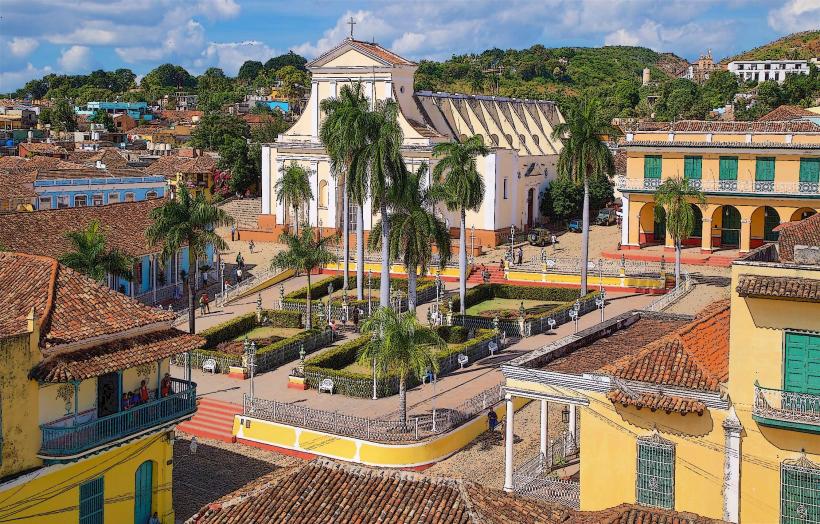
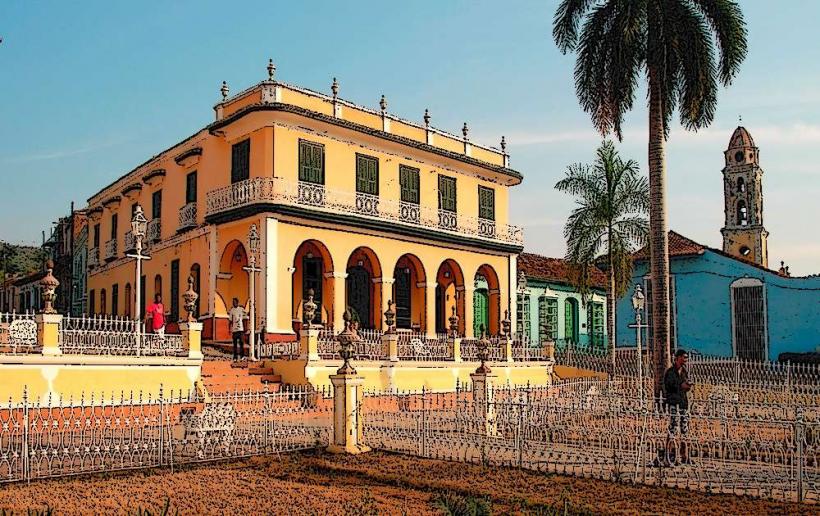
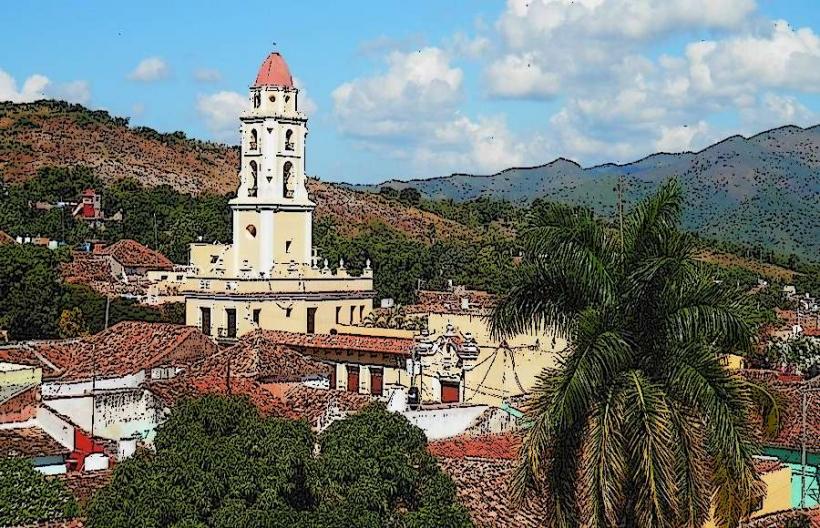
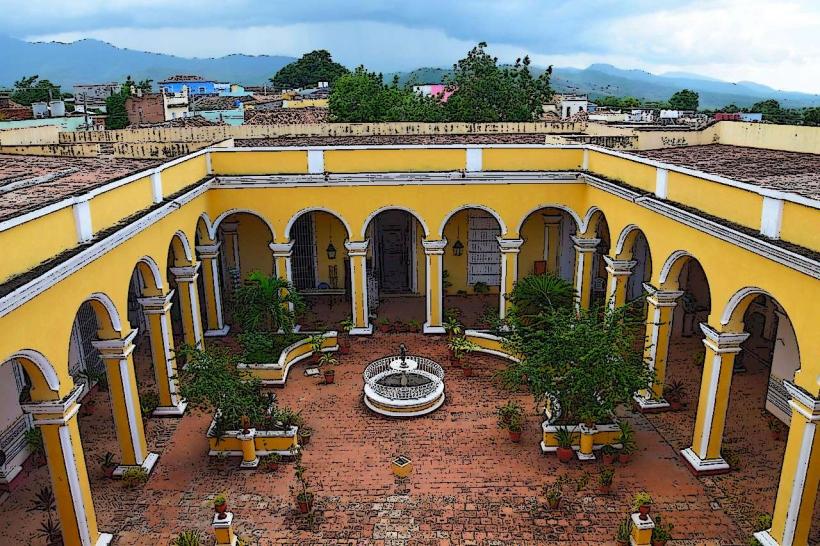
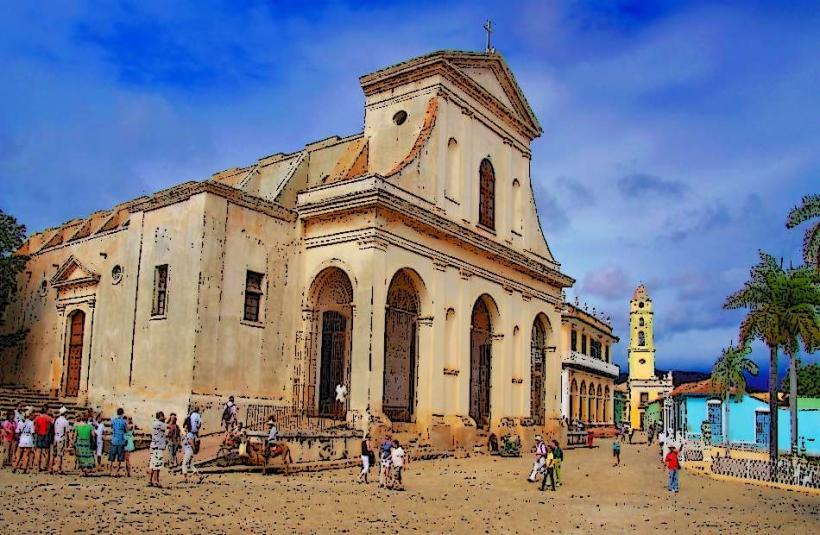
In the center of Trinidad, Cuba, stands Palacio Cantero-once the home of the Conde de Cienfuegos-a grand vintage mansion with sun-warmed stone walls, likewise this landmark stands among the town’s most fundamental, its ornate balconies and carved stonework showing the wealth and stature of Cuba’s colonial elite.Not surprisingly, Today, the palace holds the Museo de Historia Municipal, where visitors can step inside and trace the town’s vibrant past, especially its boom years when the air smelled faintly of cane from the bustling sugar trade, at the same time palacio Cantero’s story begins in the early 1800s, when José Cantero-a wealthy sugar planter-built it, later earning the title Count of Cienfuegos from the Spanish crown.It appears, The palace began as the Cantero family’s home, a prominent clan in Trinidad’s elite during the sugar boom, as well as its high ceilings and carved balconies still speak of the town’s wealth, when it ranked among Cuba’s leading sugar exporters in the colonial era.Sugar industry profits let Cantero and his peers raise lavish homes, each meant to flaunt their power and wealth; his palace, for instance, shows off neoclassical style with perfectly balanced facades, soaring ceilings, and graceful proportions, on top of that the building blends Spanish colonial style with touches of European design, its airy palace arranged around a sunlit courtyard that channels light and a soft breeze into the rooms beyond, partially Inside, carved wooden chairs gleam beside rich paintings and delicate porcelain, each piece a quiet echo of the Cantero family’s wealth and taste, alternatively the sweeping staircase and broad balconies draw the eye, framing views of the Plaza Mayor and the narrow streets beyond.Today, the Palacio Cantero is home to the Museo de Historia Municipal, where visitors wander through exhibits on Trinidad’s past-from the rise of the sugar trade to the town’s founding and the stories of its prosperous families, alternatively the museum offers a vivid glimpse into the town’s social and economic life during the colonial era, with worn maps, heavy wooden furniture, fragile documents, and colorful paintings that bring the story of Trinidad and its people to life.The museum showcases exhibits on the sugar industry, slavery, and the local nobility, along with artifacts tied to Cuban independence and the Spanish–American War, also a standout piece is General Máximo Gómez’s sword, its worn grip a reminder of his role in the fight for freedom, connecting the building to Cuba’s revolutionary past.From what I can see, More than a museum, Palacio Cantero stands as a cultural landmark, reflecting the city’s colonial heritage and its site in the global sugar trade, in conjunction with it gives visitors a clear sense of the era’s social divide-elite families dined off fine china while enslaved African laborers toiled on the sugar plantations.The palace itself still bears the mark of Spanish colonial influence, its architecture and history preserving the memory of Trinidad’s days as a thriving port, meanwhile you’ll find it on Calle Real del Jigüe, right beside Plaza Mayor, an easy stop for anyone wandering the historic town’s cobbled streets.Thanks to its central spot, you can reach the Palacio Cantero with ease from other highlights like the Museo Romántico or the Iglesia Parroquial de la Santísima Trinidad, after that the museum’s entrance fee is modest, and it’s usually open daily-though it’s smart to double-check the hours before you go.Guided tours, offered in both Spanish and English, bring the palace’s history and architecture to life, weaving in the broader story behind its exhibits, on top of that just steps away, Plaza Mayor buzzes with music and the pastel facades of colonial buildings, while the Iglesia Parroquial de la Santísima Trinidad stands as a graceful 19th-century landmark.Around the corner, the Museo Romántico reveals how Trinidad’s wealthy once lived, adding depth to what you’ll view at the palace, likewise for anyone curious about the town’s past, the Palacio Cantero offers an engaging window into both Trinidad’s colonial era and Cuba’s larger history.
Author: Tourist Landmarks
Date: 2025-09-11